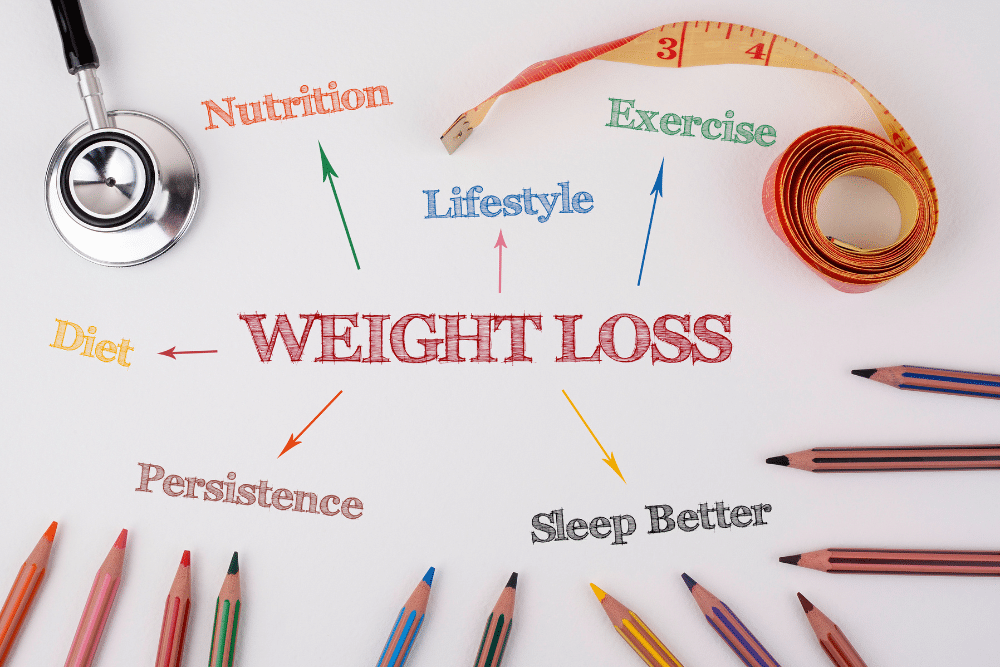
Hitting a weight loss plateau can be one of the most challenging obstacles on your ketogenic journey. When you think you’re making seamless progress toward your health goals, your scales refuse to budge, leaving you questioning where you might have gone wrong. This phenomenon, known as the keto weight loss plateau, is a typical phase where your body adapts to dietary changes and weight loss temporarily stalls. Recognising and addressing these stalls is crucial for your physical transformation and maintaining motivation and commitment to your keto lifestyle.
This blog intends to empower you with top tactics for breaking a keto weight loss plateau, ensuring you can navigate this phase confidently and strategically. Understanding why plateaus happen and how to adjust your approach can reignite your weight loss journey, pushing you beyond the standstill toward achieving your desired health and fitness goals. Remember, encountering a plateau is not a sign of failure; it’s a natural part of the weight loss process, offering valuable insights into your body’s needs and responses. Let’s explore how to turn these challenges into opportunities for growth and progress on your ketogenic journey.
Understanding Weight Loss Plateaus on Keto

Encountering a weight loss plateau on the ketogenic diet can be a perplexing experience, especially when you’ve been diligently following your plan. Understanding why these plateaus occur is the first step towards breaking a keto weight loss plateau and propelling your progress.
Weight loss on keto often starts swiftly as your body shifts into ketosis, burning fat for fuel without carbohydrates. Initially, a significant portion of weight loss includes water weight, which can lead to dramatic results on the scale. However, as your body adjusts to this new energy source, the rate of fat loss may slow down, leading to a plateau. This natural adaptation process is your body’s way of finding a new equilibrium.
Common factors contributing to a stall in weight loss include:
- Caloric Adjustment: As you lose weight, your body requires fewer calories to function than it did at a heavier weight, necessitating a recalibration of your calorie intake.
- Hidden Carbohydrates: Accidentally consuming more carbs than you realise can knock you out of ketosis, stalling weight loss.
- Inadequate Protein: Getting too much or too little protein can hinder your progress, as it’s essential for muscle repair and metabolism.
- Metabolic Adaptations: Your metabolism may adapt to become more efficient, using fewer calories to perform the same amount of work.
Recognising these factors is essential in effectively addressing and overcoming a weight loss plateau on keto. By understanding the underlying causes, you can make informed adjustments to your diet and lifestyle, keeping your weight loss journey on track.
7 Top Tactics for Breaking a Keto Weight Loss Plateau
Below are the 7 Top Tactics for Breaking a Keto Weight Loss Plateau, designed to help you overcome obstacles and reignite your progress on your keto journey.
1. Re-evaluating Your Macros

As you progress on your ketogenic journey, your body undergoes significant changes, especially if you’re successfully shedding pounds. This transformation necessitates periodically re-evaluating your dietary needs, particularly your macronutrient ratios. Recalculating your macronutrient needs is a pivotal strategy for overcoming a weight loss plateau on keto. As you lose weight, your body’s energy requirements decrease, meaning your initial macro settings might no longer be optimal for continued weight loss.
Tips for Adjusting Your Macros:
- Lower Fat Intake: If you’re experiencing a stall, slightly reduce your fat intake. While fat is a cornerstone of the keto diet, consuming less than your body requires can encourage it to burn stored fat for energy, potentially breaking a keto weight loss plateau.
- Fine-Tune Protein Levels: Protein is essential for muscle maintenance and growth, but the right balance is vital. Too little protein can lead to muscle loss, while too much might affect ketosis. Recalculate your protein needs based on your current weight to ensure you’re consuming enough to support your lean body mass without impeding your progress.
- Reassess Carb Limits: Ensure your carb intake remains within the ketogenic threshold. Even slight increases in carb consumption can disrupt ketosis, stalling weight loss. Stick to low-carb vegetables and carefully monitor your intake of nuts, dairy, and keto-friendly sweeteners.
- Monitor and Adjust: Use a food tracking app to closely monitor your adjusted macronutrient intake. This can help you stay accountable and make further tweaks as necessary.
You can effectively address a weight loss plateau by staying vigilant and willing to adjust your macros. This proactive approach allows your diet to evolve with your changing body, ensuring that your macronutrient ratios align with your current weight loss goals and help reignite the weight loss process. Remember, the key to success on keto is flexibility and adaptation, responding intelligently to your body’s signals and adjusting your strategy accordingly.
2. Intermittent Fasting: A Powerful Tool

Introducing intermittent fasting (IF) into your routine can be a powerful tool in breaking a keto weight loss plateau. This practice involves cycling between periods of eating and fasting, offering a strategic approach to enhance your ketogenic diet’s effectiveness. By temporarily restricting your eating window, you can deepen ketosis, reduce overall calorie intake, and boost your metabolism—key factors in overcoming a stall in weight loss.
Different Intermittent Fasting Schedules Suitable for Keto:
- 16/8 Method: This is one of the most popular IF methods, where you fast for 16 hours and eat within an 8-hour window. For many, this means skipping breakfast and eating your first meal at noon and your last meal by 8 PM.
- One Meal a Day (OMAD): As the name suggests, OMAD involves consuming just one meal daily, and fasting for approximately 23 hours. This approach can significantly reduce calorie intake and push your body to utilise fat stores for energy.
- 5:2 Diet: This method involves eating normally five days a week while significantly reducing calorie intake (around 500-600 calories) for the other two non-consecutive days. While not a traditional IF pattern, it complements the keto diet by creating a calorie deficit.
- Eat-Stop-Eat: This involves a 24-hour fast once or twice a week. Starting after dinner one evening and fasting until dinner the next day effectively creates a significant calorie deficit over the week.
Integrating intermittent fasting with your ketogenic diet can provide the metabolic shake-up needed for breaking a keto weight loss plateau. It’s crucial, however, to listen to your body and choose a sustainable fasting schedule that aligns with your lifestyle and health goals. Starting slowly and gradually increasing your fasting window can help ease the transition and reduce potential stress on the body. Remember, the goal of combining keto with IF is to enhance your health and weight loss efforts, not to add undue strain.
3. Exercise and Physical Activity

Integrating exercise and physical activity into your routine plays a significant role in breaking a keto weight loss plateau. While the ketogenic diet primarily focuses on nutritional adjustments to spur weight loss and improve health, regular exercise can accelerate fat burning, enhance muscle tone, and boost metabolism. This multifaceted approach not only aids in breaking a keto weight loss plateau but also supports overall well-being and fitness goals.
Suggested Types of Exercise to Support Keto Diet Goals:
- Strength Training: Building muscle through weight lifting or bodyweight exercises increases your resting metabolic rate, meaning you’ll burn more calories even when not exercising. More muscle mass can also enhance insulin sensitivity, which is beneficial for maintaining ketosis.
- High-Intensity Interval Training (HIIT): HIIT involves short bursts of intense activity followed by rest periods. This exercise can be particularly effective on keto, as it has been shown to burn fat efficiently without taking too much time.
- Low-Intensity Steady-State Cardio (LISS): Activities like walking, cycling, or swimming at a steady, moderate pace can complement the keto diet by using fat as a primary energy source during longer exercise sessions.
- Flexibility and Stability Training: Incorporating yoga or Pilates can improve flexibility, core strength, and mental focus. While not directly linked to fat burning, these practices support overall body strength and stress reduction, which can be beneficial when breaking a keto weight loss plateau.
Exercise not only helps in breaking a keto weight loss plateau but also in improving your mental health, sleep quality, and energy levels. Tailoring your physical activity to include a mix of strength, cardio, and flexibility work can provide a balanced approach that complements your keto diet efforts. As always, listening to your body and adjusting the intensity and type of exercise to match your current fitness level and health status is essential.
4. Sleep and Stress Management

Understanding the influence of sleep quality and stress levels is pivotal in breaking a keto weight loss plateau. Both factors significantly affect your body’s ability to lose weight and adapt to the ketogenic lifestyle. Poor sleep and high stress can sabotage your weight loss efforts on keto by affecting hormone levels that regulate appetite, metabolism, and fat storage.
- Sleep Quality: Adequate, restful sleep is crucial for maintaining hormonal balance, including those responsible for hunger (ghrelin) and satiety (leptin). Disruptions in these hormones can lead to increased appetite and cravings for high-carb foods, potentially knocking you out of ketosis. To improve sleep quality, establish a consistent bedtime routine, ensure your sleeping environment is conducive to rest, and minimise exposure to screens and blue light before bedtime.
- Stress Management: Chronic stress can lead to elevated cortisol levels, a hormone promoting fat storage, particularly in the abdominal area. Furthermore, stress often triggers emotional eating, which can derail your keto diet. Incorporating stress-reducing practices such as regular exercise, meditation, deep breathing exercises, or engaging in hobbies can help manage stress levels.
By prioritising sleep and actively managing stress, you create a supportive environment for your body to overcome a weight loss stall. These lifestyle adjustments and dietary strategies are comprehensive approaches to breaking a keto weight loss plateau. Remember, weight loss is not just about nutritional changes; it’s about nurturing all aspects of your health to create a balanced and sustainable approach to reaching your goals.
➤Prioritising sleep and managing stress are key in overcoming a keto weight loss plateau. Discover how these factors impact your journey and explore How to Get a Good Sleep: 10 Tips for a Good Night’s Sleep for strategies to enhance your rest and well-being.
5. Hydration and Electrolytes

Staying hydrated and maintaining electrolyte balance are often overlooked but crucial elements in breaking a keto weight loss plateau. Proper hydration and electrolyte levels are pivotal in the body’s metabolic processes, including fat-burning and energy production. When these elements are out of balance, they can mimic or directly contribute to stalls in weight loss, making it challenging to achieve your keto diet goals.
- Hydration: Water is essential for metabolising fat into energy, a core aspect of the ketogenic diet. Dehydration can slow down this process, leading to a weight loss plateau. Furthermore, adequate water intake helps to keep the appetite in check and can prevent overeating or snacking on high-carb foods that might hinder ketosis. Aim to drink at least eight 8-ounce glasses of water daily, adjusting based on your activity level and individual needs.
- Electrolytes: The keto diet’s diuretic effect can lead to significant losses in key electrolytes such as sodium, potassium, magnesium, and calcium. These electrolytes are vital for maintaining fluid balance, supporting nerve and muscle function, and ensuring proper cellular activity. An imbalance can not only cause symptoms similar to those of a weight loss plateau, such as lethargy and muscle cramps, but it can also directly stall your progress by affecting your body’s ability to stay in ketosis.
To combat these issues and aid in breaking a keto weight loss plateau, ensure you’re consuming electrolyte-rich foods like leafy greens, nuts, seeds, and avocados. Consider using electrolyte supplements if you’re struggling to meet your needs through diet alone, especially during the initial phases of keto or in hot climates.
By prioritising hydration and electrolyte balance, you equip your body with the tools to burn fat and overcome plateaus efficiently. In conjunction with the dietary and lifestyle strategies discussed earlier, these efforts form a comprehensive approach to breaking a keto weight loss plateau and moving closer to your weight loss and health objectives.
6. Consider Carb Cycling
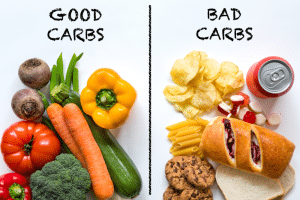
Carb cycling is a strategic approach that might be key to breaking a keto weight loss plateau. This method involves alternating between days of higher carb intake and days of strict keto, helping to kickstart the metabolism and potentially reinvigorate weight loss efforts. Understanding when and how to implement carb cycling can be crucial for those who find their progress stalling despite adherence to the ketogenic diet.
When Carb Cycling Might Be Beneficial:
- If you’ve been strictly following keto and have hit a persistent weight loss plateau.
- When engaging in high-intensity workouts or endurance training that might benefit from additional carb fuel.
- To restore or enhance leptin levels, a hormone involved in regulating hunger and metabolism, which can sometimes decrease significantly on a long-term keto diet.
Guidelines for Implementing Carb Cycling on Keto:
- Choose Your Timing Wisely: Incorporate higher carb days strategically, such as when you engage in high-intensity workouts, to utilise the carbs effectively.
- Be Mindful of Carb Sources: On higher-carb days, opt for healthy, nutrient-dense carb sources like sweet potatoes, berries, or quinoa. Avoid processed and sugary foods that can spike blood sugar levels and disrupt ketosis.
- Gradually Increase Carbs: To avoid disrupting ketosis, start with a modest increase in carbs and monitor your body’s response. Consider adding 20-30 grams of net carbs on your cycling days.
- Monitor Ketosis: Use ketone testing strips to ensure you’re returning to ketosis after your higher carb days. This will help you adjust your carb intake to ensure it complements your keto diet.
Implementing carb cycling can offer a flexible approach to breaking a keto weight loss plateau, allowing you to tailor your diet to your body’s changing needs. When done correctly, it’s a strategy that can enhance your diet’s effectiveness, boost your energy levels for workouts, and potentially reignite weight loss without permanently exiting ketosis. As always, listening to your body and making adjustments based on your unique responses to dietary changes is key to finding the most effective strategy for you.
7. Seeking Support and Adjusting Expectations

In the journey of breaking a keto weight loss plateau, seeking support and adjusting your expectations can be as crucial as dietary adjustments. The path to overcoming a stall is not just about what you eat; it’s also about the mindset with which you approach your keto journey and the support system you have in place.
The Value of Community Support and Professional Guidance:
Navigating through a plateau can feel isolating, but it’s important to remember that many others are or have been in your shoes. Through online forums, social media groups, or local meet-ups, engaging with the keto community can provide encouragement, share experiences, and offer practical advice that might be the key to breaking your keto weight loss plateau. Additionally, professional guidance from dietitians or nutritionists experienced in ketogenic diets can offer personalised insights and adjustments that a general online community cannot.
Realistic Expectations for Weight Loss and Body Composition Changes:
Setting realistic expectations is vital. Weight loss is rarely linear, and plateaus are a normal process. Understand that:
- Weight loss speed can vary. Initial rapid weight loss, mainly water weight, will slow down as you progress.
- Body composition changes might be happening even if the scale doesn’t move. You might lose fat and gain muscle, especially if you’re exercising, a positive change not always reflected by weight alone.
Adopting a long-term perspective and celebrating non-scale victories, like better-fitting clothes, increased energy levels, or improved health markers, can motivate during these challenging times. These achievements are just as significant as the number on the scale and indicate your progress towards a healthier lifestyle.
Remember, breaking a keto weight loss plateau requires patience, perseverance, and, sometimes, a fresh perspective. Leaning on the support of both the keto community and professionals while maintaining realistic expectations can empower you to navigate through plateaus with resilience and continued progress toward your health and wellness goals.
Conclusion
In conclusion, breaking a keto weight loss plateau is a multifaceted challenge requiring strategic dietary adjustments, lifestyle changes, and mindset shifts. Key takeaways include recalibrating your macros, integrating intermittent fasting or carb cycling, maintaining hydration and electrolyte balance, and incorporating regular exercise tailored to your keto journey. Additionally, understanding the impact of sleep quality, stress management, and seeking support can play crucial roles in overcoming a stall in weight loss.
Patience and consistency are your greatest allies on this journey. Weight loss plateaus are a natural part of the process, serving not as roadblocks but as opportunities to deepen your understanding of your body’s needs and responses. A willingness to adapt your strategies, whether through tweaking your diet, adjusting your exercise regimen, or simply shifting your perspective on progress, can open the door to continued success.