How to Start Keto in the UK

The Complete Beginner’s Guide

Everything you need to know before you eat your first keto meal, written for UK kitchens and shopping UK supermarkets.

Last updated 25 Mar 2026

Sarah

Sarah at Ketology

Medically reviewed

Last updated 25 Mar 2026

6 min read

Ketology

[key-TOL-uh-jee] (noun)

The study or science of the ketogenic lifestyle.

A holistic approach to nutrition and wellness focused on the metabolic state of ketosis, where the body efficiently burns fat for energy, potentially improving overall health and addressing various medical conditions.

01 What is Keto?

Keto is short for ketogenic, a way of eating that switches your body’s primary fuel source from glucose to fat. When you reduce carbohydrates significantly, your liver begins converting fat into molecules called ketones, which your brain and muscles use for energy instead of sugar. This metabolic state is called ketosis.

The practical effects are well documented: steadier energy throughout the day, reduced appetite, improved mental clarity, and for most people, meaningful weight loss without calorie counting. The NHS Type 2 Diabetes Path to Remission Programme is built around this principle, and NICE guidelines formally acknowledged ketogenic diets in 2020.

Keto is a metabolic state the human body evolved to enter. The evidence base is serious and growing.

11%

UK consumers already follow a low-carb diet

7%

Average body weight loss in low-carb programmes

2020

The year NICE guidelines formally acknowledged ketogenic diets for diabetes patients

02 What You Can Eat

More food than you think. Less stress than you’d expect.

In Moderation

Watch your portion size

Berries

Raspberries, blueberries, strawberries

Small handfuls only

🫐

Full-fat Yoghurt & Cream Cheese

FAGE, Yeo Valley, Philadelphia full-fat

Check labels carefully for sugar

Cashews & pistachios

Higher in carbs than other nuts

Celeriac & swede

Lower-carb root veg alternatives

Dark chocolate

85% or above, one or two squares

🍫

Dry red or white wine

One small glass occasionally

🍷

Eat Freely

No measuring needed

Meat & Poultry

Beef, lamb, pork, chicken, turkey, bacon, sausages

🥩

Fish & Seafood

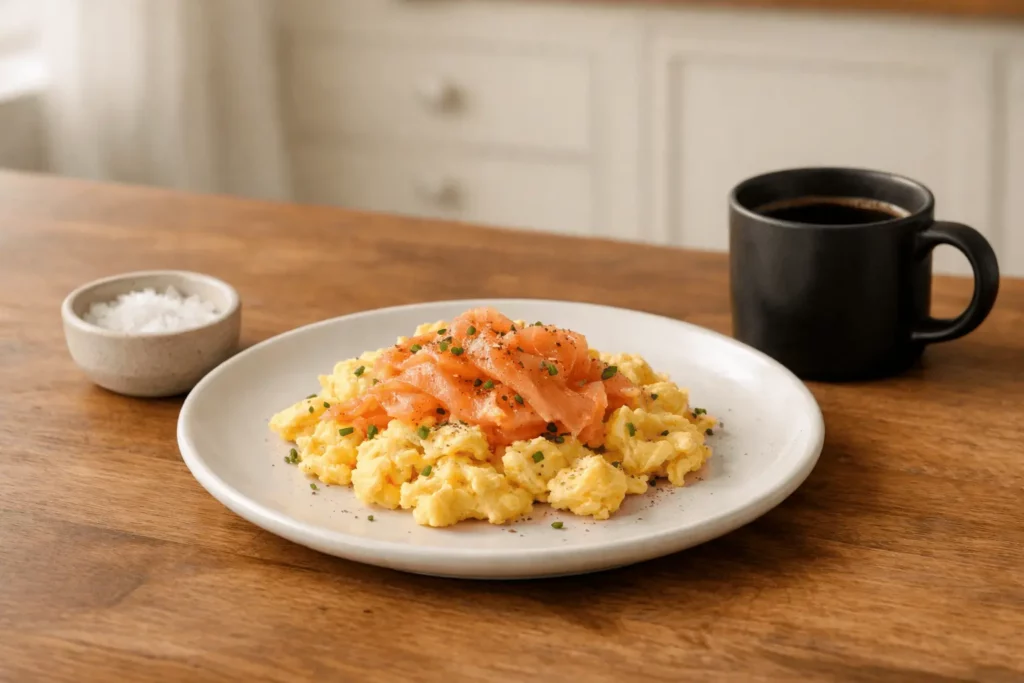
Salmon, mackerel, cod, prawns

🦐

Eggs

All types, any preparation

🥚

Hard & Soft Cheese

Cheddar, brie, feta, mozzarella, cream cheese

🧀

Butter & Cream

Unsalted butter, double cream, crème fraîche

🧈

Olive & Coconut Oil

For cooking and dressing

🥥

Non-starchy vegetables

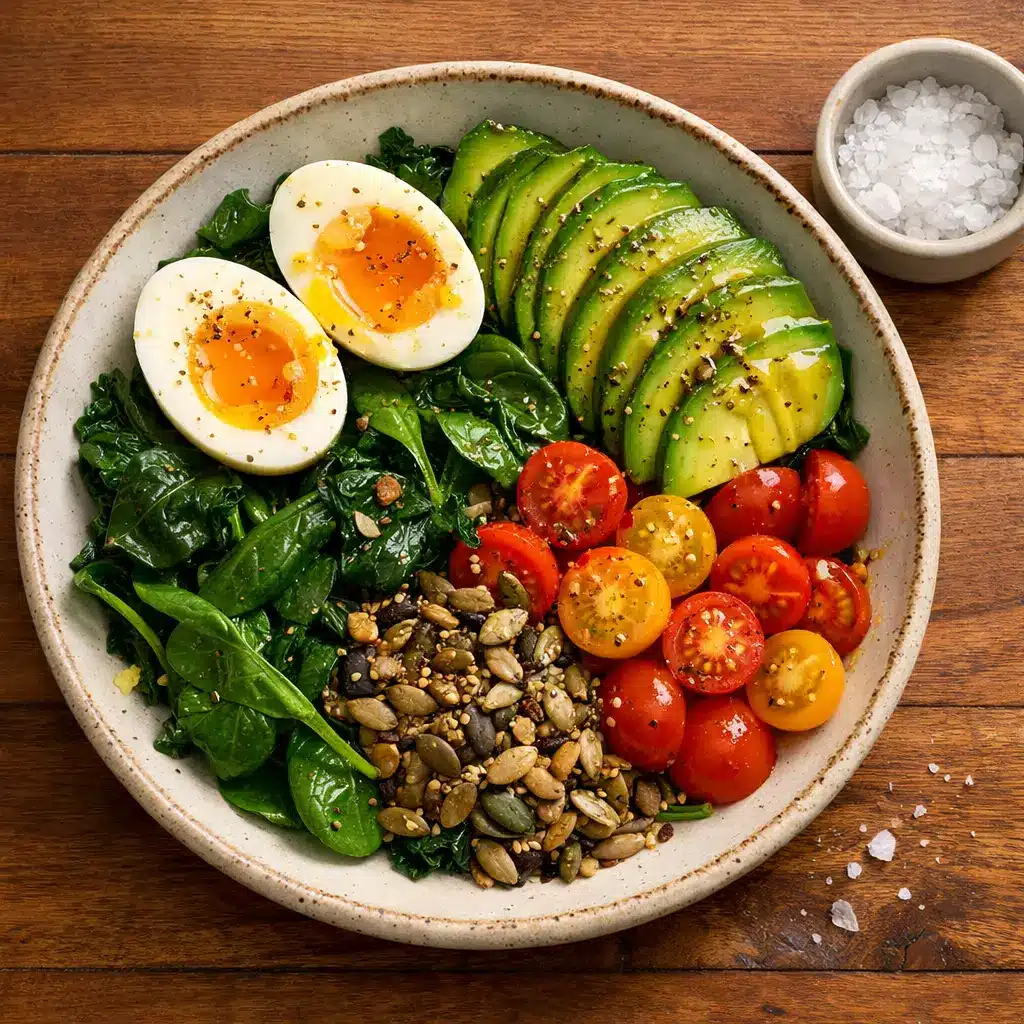
Spinach, kale, broccoli, courgette, cucumber, peppers, cauliflower

🥦

Avocado

One of the most useful foods on keto

🥑

Nuts & seeds

Almonds, walnuts, pecans, chia, flaxseed

Avoid

These will knock you out of ketosis

Bread, Pasta & Rice

All varieties. Including wholemeal, brown, and “seeded”

🍞

Potatoes & parsnips

Including crisps, chips, and roast potatoes

🥔

Sugar in all forms

Table sugar, honey, agave, maple syrup, golden syrup

🍯

Most fruit

Bananas, grapes, mangoes, apples, oranges

🍌

Beer & cider

Very high in carbs

🍺

Condiments with hidden sugar

Ketchup, sweet chilli, BBQ sauce, most shop-bought dressings

Cereals & porridge

Even the “healthy” ones like granola and oats

🥣

UK food labels work differently to US guides. Read How

03 Your Daily Macros

Three numbers are all you need to get started.

Keto works by keeping carbohydrates low enough that your body switches to burning fat for fuel. The three numbers below give you a personalised daily target to aim for. They are a starting guideline.

KG Stones

04 Your First Fortnight

More food than you think. Less stress than you’d expect.

Days 1 - 3

Start simple. Cut carbs.

In the first two or three days, most people feel surprisingly good. Your body is still running on stored glucose, energy is stable, and the novelty of a new approach often carries you through.

What to focus on

  • Cut carbs to under 20g per day
  • Eat when hungry, stop when full.
  • Don’t start calorie counting yet.
  • Drink more water than usual.
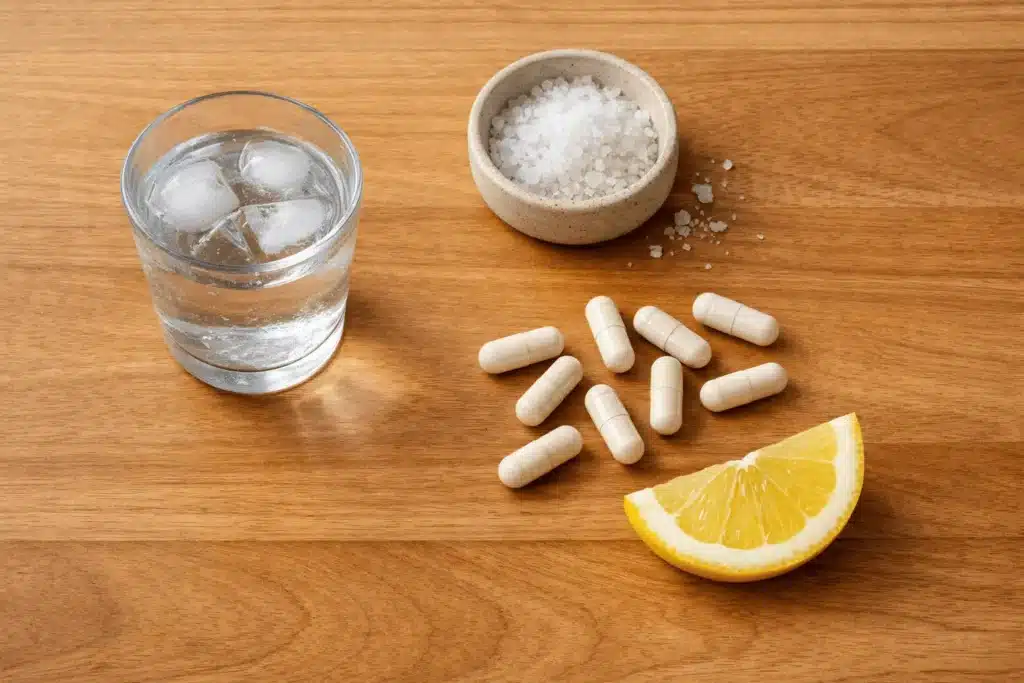
  • Add salt to your food. This matters more than it sounds.
Meat & Poultry

You’ll feel fine. Possibly great.

🌤️
What’s Happening

Your body is depleting its glycogen stores. Once they’re gone (usually by day three) it will begin switching to fat for fuel.

🔬
Days 4 - 7

This is keto flu. It passes.

Somewhere between day three and five, most beginners hit a wall. Headache, fatigue, brain fog, irritability, muscle aches. This is ‘keto flu’. It’s not an illness, but your body adapting to a new fuel source while flushing electrolytes rapidly. It is temporary, and it is almost entirely preventable.

What to focus on

  • Salt your food generously
  • Drink water consistently throughout the day
  • Eat enough fat, under-eating can make symptoms worse
  • Consider a magnesium supplement if symptoms are persistent
  • Rest if you need to
How you’ll feel

Rough for a day or two. Possibly headachy and tired. This is normal.

🌧️
What’s Happening

Your body has switched fuel sources and is excreting electrolytes faster than usual. Salt and water fix most of it.

🔬
Week 2+

This is what you came for.

Most people notice the shift sometime in week two. The brain fog clears, energy becomes steadier and more sustained than it ever was on carbohydrates, and appetite quietly reduces without any conscious effort. This is fat adaptation beginning, your body learning to run efficiently on its new fuel source.

What to focus on

  • Steadier energy without the mid-afternoon crash
  • Reduced appetite and fewer cravings between meals
  • Improved mental clarity and focus
  • Better sleep quality for many people
  • Clothes fitting differently before the scales move significantly

Weight loss on keto is rarely linear. The first week often shows a significant drop (mostly water). Week two can feel slower. The trend over four to six weeks is what matters.

How you’ll feel

Clearer. More energised. Genuinely surprised it worked.

☀️
What’s Happening

Your body is becoming fat-adapted. Switching from glucose dependency to efficient fat metabolism. Full adaptation takes four to six weeks.

🔬

05 Common Mistakes

Most people stumble in the same places. Here’s how to avoid them.

🥑

Not eating enough fat

Reduce carbs but not fat and you’ll under-eat, feel awful, and blame keto. Fat is your fuel now, eat more of it.

⚡️

Ignoring electrolytes

Many contain maltitol or dextrose, just as bad as sugar. Check the carbohydrate figure on the label, not the front of the pack.

🍗

Eating too much protein

Excess protein converts to glucose and can knock you out of ketosis. Keep portions moderate, not unlimited.

🏷️

Trusting "keto-friendly" labels

Many contain maltitol or dextrose, just as bad as sugar. Check the carbohydrate figure on the label, not the front of the pack.

⚖️

Weighing yourself daily

Weight fluctuates by kilograms day to day. Daily weigh-ins cause unnecessary anxiety. Once a week is enough.

Quitting during keto flu

Days four to seven feel rough because it’s working. Quitting here means starting the adaptation phase from scratch next time.

Your Free Gift

Your Free 7-Day Keto Meal Plan

🔒 Your details are safe with us
✉️ Delivered instantly to your inbox
🇬🇧 Built for UK supermarkets

Where would you like to go next?

Browse UK Recipes

Meal Plans